
37 Ways to Stay Sober During the Holidays
- Ağu 14, 2023
- 0 Comments
Playing in the snow is a great way to enjoy yourself and let loose—without having to consume any alcohol. It’s important to know that the holidays don’t have to feel like a celebration. You can give yourself permission to simply be where you are emotionally. Give yourself a break by letting go of the need to meet the expectations of others. Be conscious of your evolving needs for emotional and physical space, and give yourself the gift of that space as necessary.
Family and Children’s Programs

Get ebook versions of The Big Book, The Recovery Book, and other recovery literature on your phone or ebook reader before you leave town. You are free to skip a year and focus on yourself, specifically on your health and well-being. The best way to manage triggers is to avoid them altogether, especially early in recovery.
Support for Me and My Family
It can be a fun and heart-warming experience to go out shopping for a child, and you’ll know you’ve made a big difference in someone’s holiday. The communal aspect of addiction support groups can offer comfort during the holidays, especially after a relapse, when you may not be feeling your best. Behavioral addictions, such as gambling addiction and shopping addiction, can also be triggered during the holiday season and frequently co-occur with drug and alcohol use issues.
- If underlying thinking and feeling processes are not identified and addressed, the risk of relapse increases.
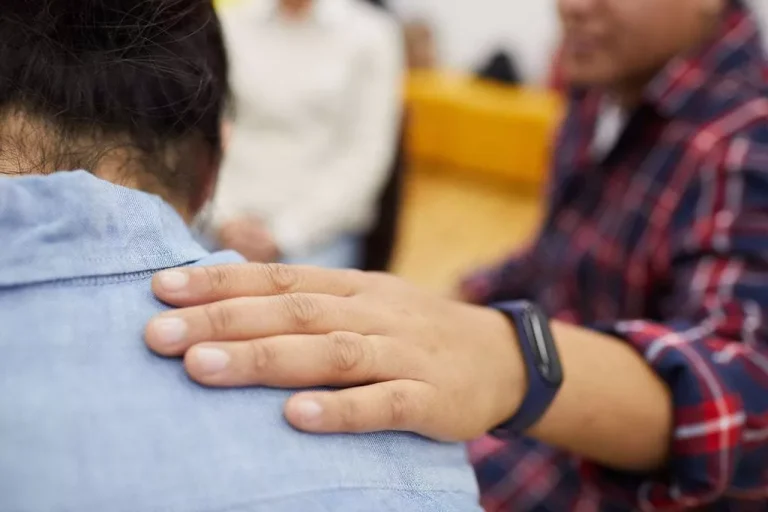
- The communal aspect of addiction support groups can offer comfort during the holidays, especially after a relapse, when you may not be feeling your best.
- Avoid getting defensive or confrontational, instead focusing on maintaining a respectful and understanding conversation.
- As long as the trip is paid off 90 days before your departure, you can pay at whatever pace you are comfortable with.
Follow these tips for how to stay sober during the holidays, according to experts

Mindfulness is one particularly helpful strategy to combat stress. This technique involves staying in the moment and quieting your mind. It’s about tuning into the sights and sounds around you allowing anxious thoughts to drift away.
If those thoughts begin to creep in—those rationalizations about your eminent capability to now handle your liquor—shut them down immediately. Your abstinence did not, in fact, teach you how to control your drinking, because abstinence didn’t rewire your brain to be non-addicted. A mistake is not a relapse, and it’s not going to land you in rehab, but those secrets might. They may misunderstand you or forget that you don’t intend to drink alcohol. If you do accidentally take a sip of an alcoholic beverage, don’t panic.
Try downloading one of these five mindfulness apps, or simply try meditating for at least five minutes per day. When stress comes knocking you may find it much easier to separate yourself from your thoughts, and not react. No matter how hectic things get, be sure to carve out time for self-care between social engagements.
- Stress-reduction techniques provide a simple, yet essential strategy for helping to prevent relapse in addiction recovery, especially during a busy or stressful holiday season.
- Although the holiday season is known as a particularly difficult time for people in recovery, other holidays can also be just as triggering.
- The demands of the season can put a strain on your wallet.
- Pressure to drink (real or perceived) can make some gatherings feel uncomfortable and downright stressful.
- Planning also involves thinking about who you are going to go on your first sober holiday with.
- Of course, it’s okay to partake a bit (we are only human), but try to set a limit and make every effort to eat nutritious meals and snacks each day.
Remember, urges will pass and this time of year will pass. The urge is like a wave that peaks in intensity but will pass. Afterward, you will feel one step freer from the destructive patterns that have dragged you down in the past. At any moment, someone’s aggravating behavior or our own bad luck can set us off on an emotional spiral that threatens to derail our entire day. Here’s how we can face our triggers with less reactivity so that we can get on with our lives. Relapse among people with substance use disorder is not uncommon.
It is easy to let the holiday demands and activities disrupt our daily patterns and routines. This can take a toll on our physical and emotional well-being. Caring for yourself will give you the reserves to manage both holiday stress and drinking urges and help you to feel your best throughout the season. Planning a holiday in advance ensures you travel to safe places with safe people and are supported around anything that might trigger a relapse or emotional disturbance. Triggers whilst on holiday might be airports and flying, new environments with unfamiliar smells, sights and sounds, language barriers, jet lag, and/or the unknown more generally. Though sobriety is on the rise among Gen Zers, the holidays can be a minefield of temptation, especially when it seems like everyone around you is drinking.
The Pressure to Use Alcohol as a Social Lubricant
Now, more than ever, it’s important to take the time to eat healthy meals, get enough sleep, and incorporate regular exercise into your routine. Express your commitment to sobriety by proudly wearing clothing that promotes a sober lifestyle. Sobriety-themed apparel not only allows you to showcase sober holidays your dedication but also helps break the stigma surrounding addiction. To help support your sobriety over the next few months, we feel it’s important to share with you our “12 Tips to Staying Clean and Sober during the Holidays”. If you are newly clean and sober, we want to extend you some hope.